

2026.01.13 課題解決

課題解決事例 院内コピー動線を解消し、A4フルカラーMFPをリサイクルトナー運用でTCO最適化

適合プリンター情報 

リコー社 RICOH P C301SF 

A4フルカラーレーザー複合機 25枚/分(カラー・モノクロともに)

耐久性 18万ページまたは5年のいずれか早い方

納品情報 

販売先 公立医療機関【愛知県 270床】  納品番号 26011301

お客様の課題

公立医療機関にて、従来のA4モノクロプリンター運用では業務要件に限界が生じ、A4フルカラー複合機(MFP)への移行が急務でした。現場はコピー需要が高く、看護師・事務員が「コピーを取るだけのためにフロア移動」する状況が常態化。これは動線ロス=業務非効率(間接工数の増大)に直結していました。加えて、院内掲示物・説明資料などでカラー出力ニーズが強まり、モノクロレーザーのみでは運用要件を満たせなくなっていました。

弊社の提案と工夫

提案の前提条件は、①リサイクルトナー運用が可能、②メーカー保守(メンテナンス)を維持、③医療現場で求められる安定稼働と画質要件の担保、の3点です。カウンター方式のA4カラーMFPは初期費用・カウンター料金(CPP)が高く、TCOを圧迫するため、トナー運用型で構成しました。

まずデモ設置を行い、初期評価は純正トナーで実施。基準値を確立したうえでリサイクルトナーへ段階的に切替し、画質変動が許容範囲内であることを検証しました。
評価は、モノクロ印刷が主体になるため、濃度評価を中心にマクベス濃度計で純正対比を確認し、あわせてテストチャートで細線再現性、グレーチャートで階調(諧調)再現性をチェック。カラーについても同様に、色味だけでなくベタ濃度/細線/階調再現を確認し、院内文書としての視認性・再現性が担保できることを判定しました。

次に重要なのがシステム統合です。医療システム側からの出力で「特定帳票だけ印刷できない」「端末やドライバ差異で再現しない」等が起きないよう、接続・出力検証を行ったうえで実装しました。

お客様のメリット

カラープリントは色再現要求が高く、一般にリサイクルトナーの普及率は高くありません(AJCR調査では約12%)。しかし本件では、要求品質を“測定・比較”で定義し、適合機の選定と保守条件を押さえたことで、**品質とコストの両立(TCO低減)**を実現。加えて、コピー動線を解消し、現場の間接工数を削減できました。

なぜ弊社が選ばれるか?

弊社はリサイクルトナー製造メーカーへトナーパウダー等の材料・部品も供給しており、消耗品品質と機械特性を踏まえた「機種選定×用紙適性×運用設計」を一体で最適化できます。厚紙印刷、画質不良、トナーコスト削減、保守メンテナンスまで、まずは現状の用紙と印刷サンプルからご相談ください。事前検証で導入リスクを最小化します。

リサイクルトナーに関するお困りごとは弊社にご相談ください

当社はリサイクルトナー事業に約30年携わり、特にカラーレーザープリンター領域で豊富な知見と実績を蓄積してきました。現在、カラープリンター関連が売上構成の約80%を占めています。
また、プリンターには機種ごとに保守要件(定期清掃・消耗部品交換・画質調整・搬送系点検)が異なり、一定の周期で予防保全が必要となるモデルも少なくありません。機械の特性(画像形成プロセス、転写・定着、用紙搬送)や構造を理解せずに導入・運用すると、画質不良・紙詰まり・汚れ・定着不良などのトラブルが発生し、結果としてプリンターやトナーの買い替え・追加対応が必要になり、**TCO(総保有コスト)**を押し上げる要因になります。

株式会社エスアイエス・パートナーズは、「リユース」をテーマに、OA機器および消耗品を中心に取り扱い、機種選定から消耗品運用、保守・メンテナンスまで一体でご提案しています。

検索ワード: リサイクルトナー/カラーレーザー/厚紙印刷/厚紙モード/定着不良/背景汚れ/トナー汚れ/画質不良/紙詰まり/搬送不良/転写不良/キャリブレーション/濃度調整/保守メンテナンス/予防保全/消耗部品交換/ランニングコスト削減/TCO削減/医療機関 プリンター/RICOH P C301SF


お問合せはこちらをクリック

会社概要

株式会社エスアイエス・パートナーズ

〒465-0095  愛知県名古屋市名東区高社1丁目89番地 第二東東昭ビル4階

電話 052-753-3782 FAX 052ー753-3783

各種許認可

古物商許可 第541421700200/宅建業許可 愛知県知事(1)第24728号

取り扱い品目

リユースパソコン/新品パソコン/リサイクルトナー/純正トナー/汎用(海外純正)トナー/UTM/EDR/各種セキュリティソフト/業務用プリンターレンタル/複合機レンタル/パソコン廃棄および買取/パソコンのデータ消去(物理的破壊)/賃貸オフィス仲介(東京名古屋大阪など主要都市)/オフィス移転に伴う各種業務全般

営業エリア

北海道
青森県
岩手県
宮城県
秋田県
山形県
福島県
茨城県
栃木県
群馬県
埼玉県
千葉県
東京都
神奈川県
新潟県
富山県
石川県
福井県
山梨県
長野県
岐阜県
静岡県
愛知県
三重県
滋賀県
京都府
大阪府
兵庫県
奈良県
和歌山県
鳥取県
島根県
岡山県
広島県
山口県
徳島県
香川県
愛媛県
高知県
福岡県
佐賀県
長崎県
熊本県
大分県
宮崎県
鹿児島県
沖縄県

Case Study: Streamlining In-Hospital Copy/Print Workflow While Optimizing TCO with Remanufactured Toner

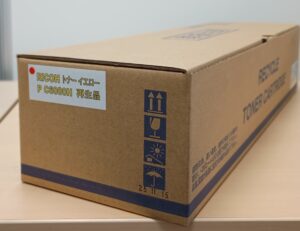
Product: Remanufactured Toner – RICOH Yellow (P C300H type)
Compatible Device: RICOH P C301SF (A4 Color Laser MFP / 25 ppm for both color & mono)
Duty Cycle / Durability: Up to 180,000 pages or 5 years (whichever comes first)
Customer: Public Medical Institution (Aichi, Japan / 270 beds)
Delivery No.: 26011301

Customer Challenge (As-Is)

The customer needed to migrate from an A4 monochrome printer environment to an A4 full-color multifunction printer (MFP) setup. Copying demand was high in daily operations, and staff (nurses and administrative personnel) were forced into inefficient workflows—such as moving between floors solely to make copies—resulting in significant workflow friction and indirect labor cost. In addition, demand for color printing (e.g., patient-facing materials, internal notices, operational documents) increased, and the existing monochrome-only laser environment could no longer meet operational requirements.

Our Proposal & Engineering Approach (To-Be)

We recommended deploying an A4 color laser MFP with a key set of conditions:

  1. Remanufactured-toner operation must be feasible,

  2. Manufacturer maintenance/support must remain available, and

  3. The solution must satisfy healthcare-grade requirements for stability and print-quality consistency.

A typical “counter-based” color MFP model often leads to higher CAPEX and CPP (cost per page), increasing TCO (total cost of ownership). Therefore, we designed a toner-based operational model to reduce running costs while maintaining serviceability.

Print-Quality Validation (Baseline → Switch)

We first installed the unit as a demo and established a baseline using genuine OEM toner. After confirming stable output, we switched to remanufactured toner step-by-step and verified that any print-level variations remained within acceptable tolerance.

  • For monochrome evaluation, density is a key metric. We used a Macbeth densitometer to compare output against the OEM baseline.

  • We also conducted chart-based verification:

    • Test charts for fine-line reproducibility,

    • Gray charts for grayscale / tonal (gradation) reproduction.

  • For color printing, we evaluated not only overall hue but also:

    • Solid-fill density,

    • Fine-line reproducibility,

    • Tonal / gradation reproduction—to ensure suitability for real clinical and administrative use.

System Integration Check

Next, we validated end-to-end connectivity and driver behavior between the medical systems and the MFP, ensuring there were no issues such as “specific forms cannot be printed,” protocol mismatch, or device-driver incompatibilities. After confirming stable integration, we proceeded to full implementation.

Customer Benefits

In general, remanufactured toner penetration for color printing tends to be low due to strict requirements for color fidelity and consistency (AJCR reports approximately 12% adoption). However, by defining quality requirements through measurement and comparison, selecting a compatible device, and confirming maintenance conditions, we achieved both:

  • Cost reduction (TCO optimization) through remanufactured-toner operation, and

  • Operational efficiency by eliminating floor-to-floor movement for copying and enabling on-site color output aligned with staff needs.